Inclusive workplaces boost productivity by 30% Learn How
Partner With Us
Flag IN
IN
USA
UK

The Role of Continuous Learning in Leadership Success

Table of Contents

Author

sakshi

In today’s fast-paced and ever-evolving business environment, the importance of continuous learning in leadership cannot be overstated. The demands placed on leaders are more complex than ever, requiring not just technical expertise but also emotional intelligence, adaptability, and strategic foresight. Continuous learning is the cornerstone of leadership success—enabling leaders to navigate challenges effectively, inspire their teams, and drive organisational growth.

Why Continuous Learning Matters in Leadership

Continuous learning equips leaders with the tools to remain relevant and effective. According to a McKinsey report, organisations that invest in learning and development are more likely to achieve higher performance and sustain competitive advantages. 

Key reasons why learning in leadership is vital include:

  • Adaptability: Rapid advancements in technology and shifting market dynamics demand leaders who can pivot strategies quickly.
  • Enhanced Decision-Making: A broader knowledge base allows leaders to make informed decisions that anticipate challenges rather than merely reacting to them.
  • Boosts Team Morale: Leaders who prioritise their own growth set an example for their teams, fostering a culture of learning and innovation.

Strategies for Effective Continuous Learning

To maximise the benefits of continuous learning for leadership, organisations and individuals must adopt structured approaches. Here are some proven strategies:
  • Structured Education: Enrol in courses or workshops that focus on emerging trends, such as AI-driven decision-making or emotional intelligence development.
  • Peer Learning: Collaborate with other professionals through forums or networks to exchange ideas and insights.
  • Feedback Loops: Actively seek constructive feedback from peers and subordinates to identify areas for improvement.
  • Self-Directed Learning: Regularly consume books, podcasts, or articles relevant to your industry or role.
  • Reflection Practices: Analyse past decisions to extract lessons that can support future actions.
These methods not only enhance personal growth but also contribute to building a culture of continuous improvement within organisations.

Key Benefits of Continuous Learning in Leadership

Leaders who commit to lifelong learning enjoy several advantages:
  1. Improved Emotional Intelligence (EQ): Continuous learning enhances self-awareness and empathy, which are crucial for managing interpersonal relationships effectively.
  2. Increased Innovation: Exposure to new ideas stimulates creativity and drives innovation within teams.
  3. Higher Employee Engagement: Employees are more motivated when they see their leaders actively pursuing growth.
  4. Future-Proofing Skills: Staying updated with industry trends ensures that leaders remain relevant amidst rapid changes.
For example, companies that emphasise leadership training report significantly lower turnover rates and higher employee satisfaction levels.

Challenges in Implementing Continuous Learning

Despite its benefits, integrating continuous learning into leadership development programs can be challenging. Common obstacles include:
  • Time Constraints: Busy schedules often leave little room for formal education or self-directed learning.
  • Cost Concerns: High-quality training programs can be expensive, deterring some organisations from investing adequately.
  • Resistance to Change: Leaders accustomed to traditional methods may be reluctant to adopt new approaches.
Overcoming these challenges requires a mindset shift at both individual and organisational levels. Leaders must view learning as an ongoing journey rather than a one-time event.

The Role of Organisations in Promoting Learning for Leadership

Organisations play a pivotal role in fostering continuous learning among their leaders. Here’s how they can support this initiative:
  • Invest in Training Programs: Allocate resources for leadership development courses that address both hard and soft skills.  Set formal goals around learning and development.
  • Encourage Knowledge Sharing: Create platforms where leaders can share insights and learn from each other’s experiences.
  • Incorporate Technology: Use digital tools like AI-enabled platforms to track progress and personalise learning journeys.

How Kelp Supports Leadership Development

At Kelp, we understand the transformative power of continuous learning in leadership success. Our mission is to help organisations build inclusive workplaces where leaders thrive through ongoing education. By integrating innovative training solutions tailored to modern challenges, we empower leaders to excel while fostering a culture of growth across all levels.

Continuous learning is not just an option but a necessity for effective leadership. It bridges knowledge gaps, enhances adaptability, and prepares leaders for future challenges. Organisations that prioritise learning for leadership will undoubtedly gain a competitive edge in today’s dynamic business landscape. With Kelp as your partner, you can ensure your leaders are equipped with the skills they need to succeed—today and tomorrow.

Recent Posts

Categories

Calendar Icon Events
Close

Event Calendar

MAY 2026

MO
TU
WE
TH
FR
SA
SU
27
28
29
30
1
2
3
4
5
6
7
8
9
10
11
12
13
14
15
16
17
18
19
20
21
22
23
24
25
26
27
28
29
30
31

Head – Client Relations

Gomathi Venkatasubramanian is a seasoned client relations and strategy leader with over nine years of experience in sales, client engagement, and conflict resolution. As the Head of Client Relations, Gomathi and her team ensure that every Kelp client enjoys excellence in service delivery and engagement.  With her vast product knowledge, Gomathi takes pride in being able to go beyond the call to action and provide innovative solutions and services to clients that align with their people and business goals.

Prior to Kelp, Gomathi worked with organizations across the sales and presales cycles thereby acquiring a deep understanding of the process and how to shift from a sales to a solutions mindset.  That has helped her in honing her unique style in building client relations and trust.

Beyond her professional pursuits, Gomathi enjoys traveling and exploring new destinations, embracing different cultures and perspectives. She also finds solace in Indian music, which serves as a source of relaxation and inspiration.


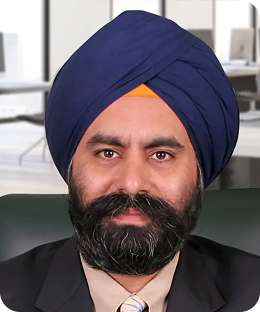
Navneet Chugh

Director & Entrepreneur

Navneet, Managing Partner of Chugh LLP, offers global legal and tax services with 575 employees. An Attorney, CPA, and MBA from USC, he founded SABA and TiE Southern California and serves on multiple boards globally.

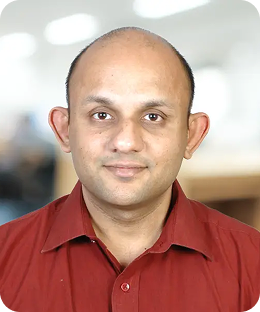
Bhaskaran MR

Director & Entrepreneur

Baskaran Rajaraman is an entrepreneur with interests in real estate, healthcare, and eCommerce. He has previously consulted with Krossark, Citrisys, Booz Allen, and Hamilton, and Polaris on BFSI, eCommerce, and logistics.

Manju Manocha

Head - Business Development

Manju, Head of Business Development at Kelp, drives sales strategy and growth. An HR expert with a master’s in Personnel Management, she has worked with Mphasis, BMC, Syntel, and WNS.

Smita Mukharjee

Head – DEI Center of Excellence

Smita is a dynamic and experienced DEI and Learning Consultant with a unique blend of academic expertise and practical application. With an MBA from the University of Mumbai and an M.Phil from the esteemed Tata Institute of Social Sciences, she is currently pursuing a PhD.

Smita brings with her over a decade and a half of experience across both academia and corporate training and has helped shape the learning journeys of professionals across industries. Her expertise spans human behaviour, training and development, research, and organizational diagnostics. Smita’s research has been showcased at prestigious institutions, including IIM Indore, IIM Bangalore, IIM Trichy, and Nirma University..

Passionate about fostering diversity and inclusion, Smita brings an engaging approach to training, blending research-driven insights with interactive methodologies. Beyond her professional commitments, she enjoys exploring new cultures and perspectives through travel, always seeking to broaden her understanding of the world.

Shalu Salwan

Chief Operating Officer

Shalu, an MBA from ISB, leads operations and product development at Kelp, focusing on efficiency and impact. Passionate about L&D, DEI, and PoSH, she thrives on adventure—whether scaling mountains or exploring the ocean.

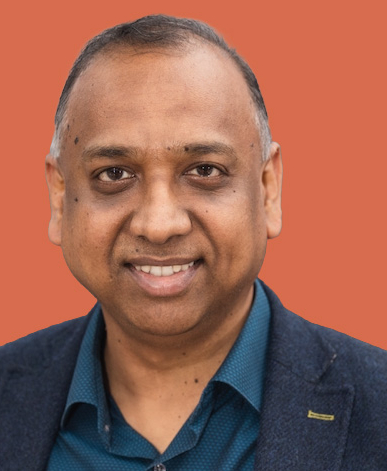
Elango R

Global Leader

Elango, Global CHRO and Business Head at MphasiS, grew the company from $12 million to over a billion. He led key integrations, integrated CSR practices, and has held leadership roles at Raheja Group, UB Group, and Bank of America.

Rangan Mohan

Veteran Executive Coach

Rangan Mohan, an executive coach with 30 years of experience, has held CEO roles at MphasiS and Hinduja Global Solutions. A graduate of Madras University and IIM Ahmedabad, he is now a director and consultant.

Deepa Padmanaban

Head – Learning Solutions and PoSH Center of Excellence

Deepa, an MBA and Certified PoSH trainer, excels in client experience and HR. At Kelp, she fosters inclusivity through collaboration. Passionate about singing and voice artistry, she also announces for All India Radio.