IN
IN

 USA
USA
 CA
CA
 IN
IN
By Akshaya Rajaraman
For centuries, women’s voices were stifled in the face of harassment and unacceptable behavior. But as societies progress, there’s an undeniable shift. Women, once silenced, are now empowered by platforms that amplify their voices, exposing injustice and breaking their silence. We delve into the recent revelations within the Malayalam film industry, following the release of the much-anticipated Hema Committee Report; a document that offers a disturbing, yet vital, glimpse into the persistent gendered exploitation within the industry.
A Crime That Shook the Nation
The roots of the Hema Committee trace back to a chilling day in February 2017. A renowned Malayalam actress was brutally abducted and raped in a moving vehicle, a heinous crime orchestrated by six men allegedly under the directive of a powerful actor in the industry.
What was intended as a punishment to “teach her a lesson” swiftly unravelled into a wider conversation about the systemic abuse prevalent in Malayalam cinema. For many, this wasn’t just another case of celebrity scandal—it was a wake-up call that echoed across the entire industry. The actress’s trauma symbolized the struggles faced by many, especially women, who suffer in silence.
The fallout was swift yet telling. Despite the alleged perpetrator’s involvement, the Association of Malayalam Movie Artists (AMMA) refused to expel him, a decision that led three leading actresses to take the unprecedented step of resigning from the organization. This bold act birthed the Women in Cinema Collective (WCC), a pioneering force advocating for safety and equality in the workplace.
The Hema Committee’s Long-Awaited Report
In response to the growing outcry, a committee headed by retired Justice K. Hema was formed in July 2017, tasked with investigating the abysmal working conditions women face in the Malayalam film industry. Yet, even after completing the report, its findings remained sealed from public view for four and a half long years. For survivors and advocates, the delay felt like another layer of injustice, prolonging their fight for transparency.
Finally, on August 19, 2024, a redacted version of the report was released. Though not entirely complete, its revelations are both sobering and unsettling.
The Cost of Silence
The reluctance to release the report raised critical questions about the forces at play. The official reason? The protection of survivor confidentiality. But for many, this explanation seemed more like a smokescreen—a way for powerful figures within the industry, dubbed the “Mafia,” to maintain control and avoid accountability. This so-called Mafia—an elite group of 10-15 influential men—has long been perceived as the invisible hand steering the industry’s darker undercurrents.
The Brutal Truths Unearthed
What the report did reveal was harrowing. Hidden cameras in vanity rooms, gender discrimination, rampant drug use, and a chilling culture of sexual exploitation all came to light. One incident, in particular, encapsulated the systemic rot—a prominent actress forced to perform an intimate scene with her abuser, not once, but 17 agonizing times. Such stories are a stark reminder of the emotional and psychological toll women endure just to survive in an industry that should celebrate their talent, not prey on their vulnerability.
Two words that echoed throughout the report were “compromise” and “adjust”—terms that reveal how deeply normalized this exploitation has become. Women aren’t entering the film industry to seek fame or fortune; they come to entertain and inspire. Yet, they are forced to trade their dignity just to stay afloat.
The report even noted that minors have not been spared, with girls being subjected to harassment at shockingly young ages. Such findings demand immediate action, as they underscore the film industry’s failure to safeguard its most vulnerable.
Moving Forward: Can Change Take Root?
While the Hema Committee made critical recommendations, including the formation of Internal Complaints Committees (ICCs) and the establishment of clear legal frameworks like the Kerala Cine Employers and Employees (Regulation) Act, 2020, implementing these reforms is where the real challenge lies. The industry, which thrives on informal agreements and backroom deals, must confront its deeply entrenched culture of impunity if meaningful change is to take place.
This report should not be viewed as the conclusion, but as the beginning of a much-needed revolution within Malayalam cinema—and indeed, industries across the globe. It is a reminder that silence is no longer an option, that survivors’ voices must be heard, and that justice must follow.
The Malayalam film industry is at a crossroads. If we allow these abuses to be swept under the rug, we betray every woman who dares to dream of standing on that silver screen. But if we seize this moment to hold those in power accountable, we open the door to an industry that truly reflects the beauty, resilience, and talent of its people.
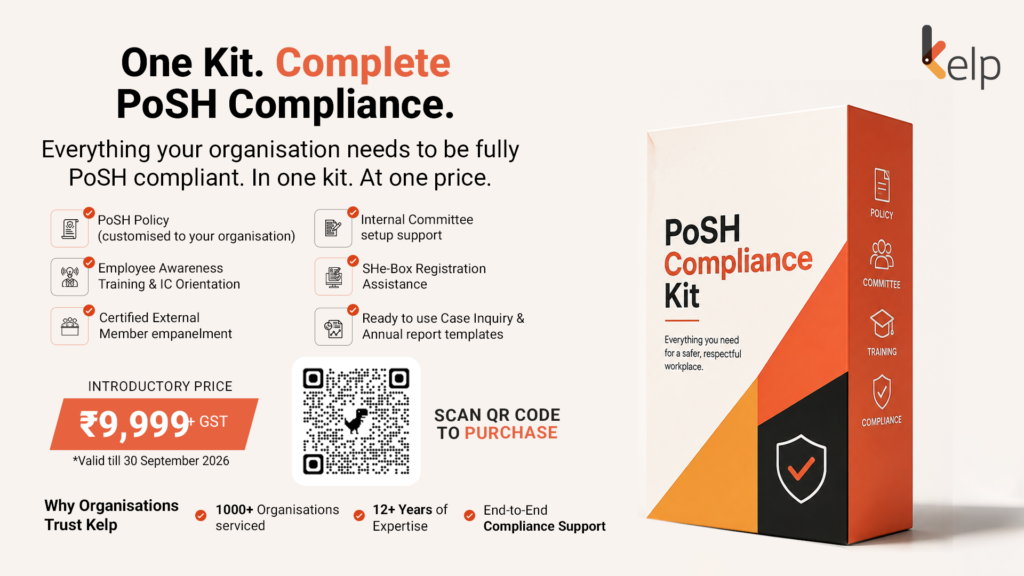
At Kelp, we guide organizations in setting up Internal Complaints Committees, creating policies, and ensuring compliance with the Sexual Harassment of Women at Workplaces Act 2013 (Prevention, Prohibition, and Redressal). To learn more about our PoSH offerings and become compliant, call us at +91-9500129652 or email info@kelphr.com.