IN
IN

 USA
USA
 CA
CA
 IN
IN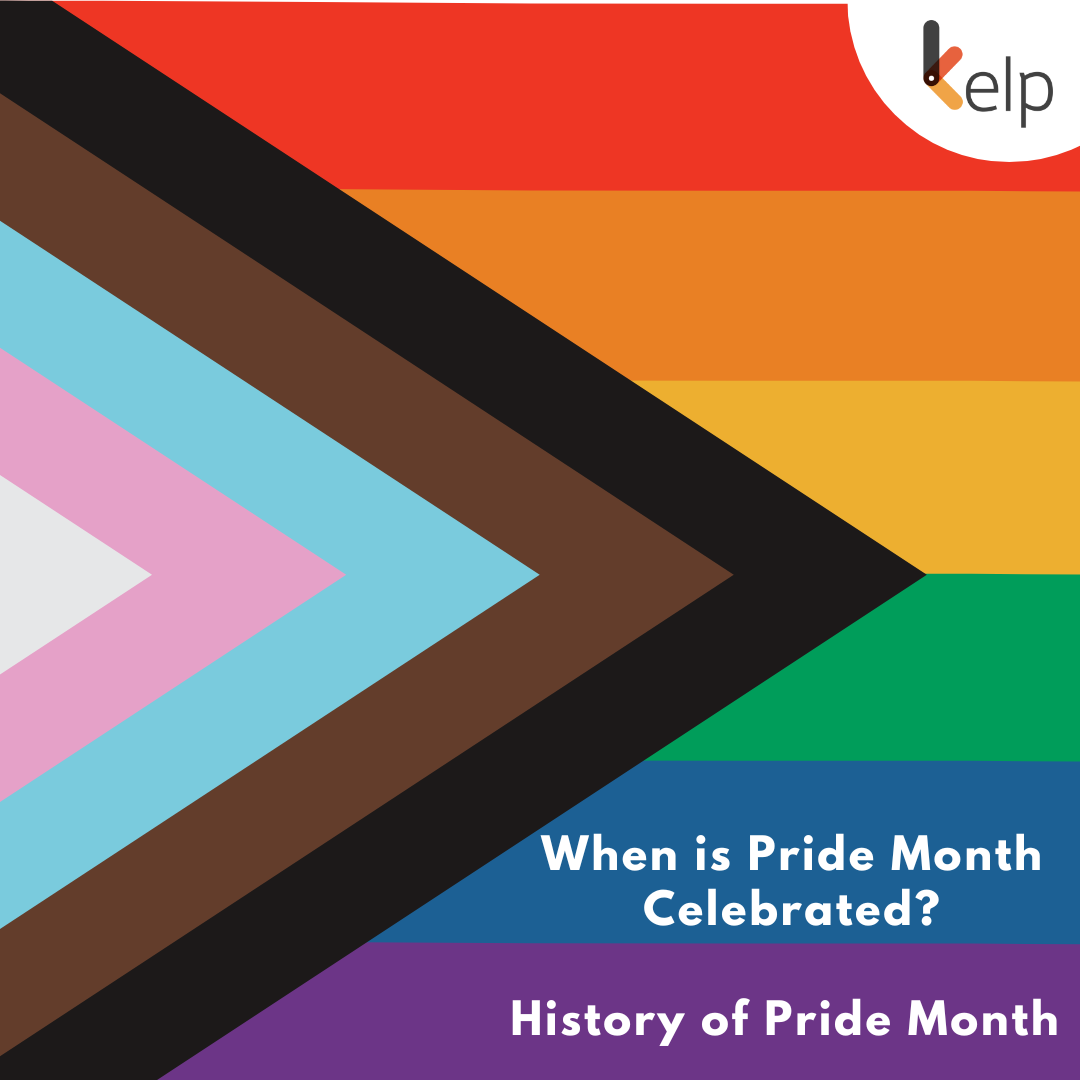
The celebration of Pride in India goes beyond the flamboyant Pride Parade, also known as the Gay Pride Parade. Pride month over the years has slowly taken steps to evolving as a significant occasion on the calendar that highlights the struggle for equality and justice for LGBTQ+ individuals in the country.
Across the world, Pride Month is observed in June and is dedicated to honoring and celebrating the lesbian, gay, bisexual, and transgender community (LGBTQIA+), as well as their allies and supporters. This annual celebration encompasses street parades and various gay pride events held across the nation, spanning both metropolitan areas and remote regions.
The choice of June for Pride Month is in remembrance of the Stonewall Riots that took place in New York City on June 28. Pride month is celebrated worldwide and in India in June. These riots marked a significant turning point in the LGBTQ+ community’s history, triggering the global spread of the modern gay rights movement, including its impact on India.
However, the celebration of Pride month in India was not always commonplace. It is the result of the tireless efforts of LGBTQ activists, allies, and community members who fought against all odds for their rights.
To delve into the captivating history of Pride Month in India, we need to travel back in time, exploring ancient Hinduism, the era of colonization, the decriminalization of homosexuality, and the fight for marriage equality. By unraveling this history, we can gain a deeper understanding of Pride in India, which now stands as a remarkable testament to celebration, diversity, and unique identities.
Hinduism, being one of the world’s oldest religions, has a nuanced perspective on sexuality and gender diversity. Homosexuality was not unfamiliar in ancient Hindu society, and instances of queer relationships and gender non-conformity can be found in Hindu mythology, literature, and art. These depictions portrayed homosexuality and transgender persons in a positive light, reflecting the acceptance prevalent in ancient India.
However, as time passed, sexuality became a taboo subject in contemporary Hindu culture, particularly in modern India, where homosexuality was considered illegal for a significant period. The British colonial laws heavily influenced this perception, criminalizing homosexuality from 1860 onwards, although it had been legal for a brief period prior to that.
During the early modern period, same-sex relationships, known as pederasty, were prevalent in Central Asia but were prohibited and severely punished under the Mughal and Portuguese Empires. When British colonial rule was established in India, the existing laws and punishments from the Mughal Fatawa ‘Alamgiri were replaced by the Indian Penal Code of 1862, which included Section 377, dealing with same-sex relations.
In 1988, a groundbreaking moment occurred in the Indian LGBTQ+ rights movement with the formation of the AIDS Bhedbhav Virodhi Andolan (ABVA), the first organization advocating for the rights of queer individuals, in Mumbai. The ABVA aimed to combat discrimination and stigma surrounding HIV/AIDS while fighting for the rights of the LGBTQ+ community.
In 1991, seven members of ABVA published “Less Than Gay: A Citizens’ Report on the Status of Homosexuality in India,” the first public acknowledgment of the status of queer people in India and the discrimination they faced.
Taking their activism to the streets, the ABVA organized the first public protest against anti-sodomy laws in August 1992. This protest marked a significant turning point in the Indian LGBTQ+ rights movement and laid the foundation for further advocacy and activism.
Prior to the observance of Pride Month in India, the Kolkata Rainbow Pride Walk (KRPW) was held in 1999, marking the first pride parade in India. Although only 15 people initially participated, some traveled from cities like Mumbai and Bangalore to show their support. Since then, the Pride Movement in India has grown, with more cities organizing their own June Pride Parades each year. Despite this expansion, Pride Month in India, like in many parts of the world, is celebrated in June to honor the LGBTQ+ community’s significant battle during the Stonewall Riots.
The Struggle for the Decriminalisation of Section 377
One of the major milestones in the fight for LGBTQ+ rights in India occurred in 2001 with the Naz Foundation’s movement against Section 377. The Naz Foundation (India) Trust challenged Section 377 of the Indian Penal Code, which criminalized homosexual acts between consenting adults, in a lawsuit filed in the Delhi High Court. This legal battle resulted in the decriminalization of such acts throughout India. However, the Supreme Court later overturned this decision in the Suresh Kumar Koushal vs. Naz Foundation case, leading to the reinstatement of Section 377.
Finally, in 2018, Section 377 was struck down, marking a triumph of love, diversity, and inclusivity. A constitutional bench of the Supreme Court, led by Chief Justice Dipak Misra, heard the challenge to the constitutionality of Section 377. After a rigorous four-day hearing, the court reserved its verdict on July 17, 2018, reinforcing its commitment to justice and equality. The decriminalization of homosexuality stands as a testament to the power of collective action and provides hope for a brighter and more inclusive future.
Transgender Persons (Protection of Rights) Act in 2019
Another significant milestone in the history of Pride in India was the passing of the Transgender Persons (Protection of Rights) Act in 2019. This Act recognized transgender individuals as a third gender and provided them with legal protection against discrimination. It represented a step forward in India’s journey towards greater inclusivity and acceptance of the LGBTQ+ community. The Act aimed to address the discrimination and marginalization faced by transgender individuals, granting them the fundamental human rights they deserved.
Reflecting on the journey of Pride in India, it is evident that significant progress has been made in terms of inclusivity and acceptance of the LGBTQ+ community. Overcoming oppressive laws and advocating for more progressive ones has been a significant victory. However, the ongoing pursuit of marriage equality reminds us that there is still a long way to go in creating an equitable and inclusive society.
Each year, Pride Month in India continues to evolve. What initially began as a small gathering of courageous individuals fighting for their rights has transformed into a nationwide celebration of inclusivity and acceptance. It is crucial to remember and honor the sacrifices made by those who came before us and to continue fighting for a future where everyone is embraced and valued for their true selves.
About Kelp
Kelp was incorporated in 2013 to provide the best HR solutions to organizations, and to improve workplace culture across the board. Over the last 11 years, we have serviced more than 800 clients in India and a few overseas, across various industries in the areas of PoSH (prevention of sexual harassment at workplace), D, E & I (Diversity, Equity & Inclusion) and Mental Wellness programs. But the common objective of all of these services is to build safer, happier, inclusive and productive workplaces.
For any of our other services related to Prevention of Sexual Harassment (PoSH) or Employee Assistance programs (EAP) do get in touch with us at info@kelphr.com, call +91-95001-29652 and we will help you with customized offerings suited to your organization.