IN
IN

 USA
USA
 CA
CA
 IN
IN
“Is your workplace LGBTQIA+ inclusive?”
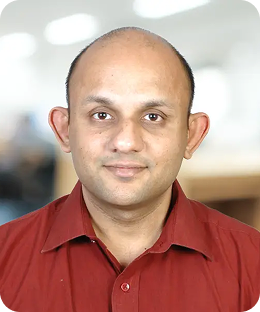
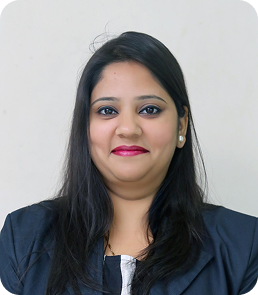
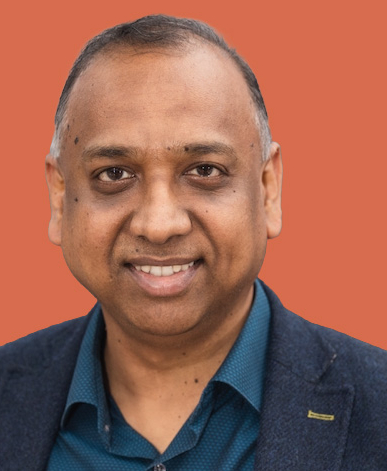
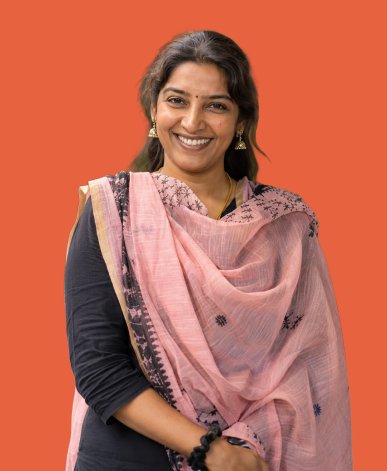
In an era where inclusivity is gaining recognition and support, it has become essential for organizations to establish safe and inclusive environments that embrace the diversity of their employees. Smita Shetty Kapoor, CEO and co-founder of Kelp, engaged in a thought-provoking and enlightening discussion at the 14th Kashish Pride Film Festival (Formerly Kashish Mumbai International Queer Film Festival) in June 2023 with a diverse panel consisting of allies and individuals from the LGBTQIA+ community, including Anupama Easwaran -Diversity and Inclusion Coach and Consultant, Maya Awasthy – Co-Chair & Co-Founder, TWEET Foundation, Parmesh Shahani – Author of Queeristan, Public Speaker, Culture Curator, Inclusion Advocate and K Vaishali – Author, Homeless: Growing up Lesbian & Dyslexic in India and Podcast Host.
Watch this discussion here
This discussion shed light on the current workplace environment for community members and explored avenues for improvement. Here are some key takeaways from the discussion that organizations can use as an Inclusion Manifesto to foster diversity and empowerment in their workplaces.
1. Understanding Inclusion as a Business Agenda
Inclusivity is often mistakenly attributed solely to the HR department. However, it is crucial to recognize that inclusivity is a strategic business agenda that should be understood and integrated across all aspects of the organization. Parmesh emphasized the importance of inclusion being supported by leaders and permeating product development, delivery, sales, finance, and more. This approach requires long-term budgets to drive sustainable change and foster diversity. Parmesh posed a thought-provoking question: How inclusive are your products, not just in marketing but also in their design. Vaishal also mentioned how her current organization Salesforce is actually walking the talk with how inclusive language being used in their products and offerings.
2. Authenticity in Action
Authenticity is the cornerstone of genuine inclusion. The true commitment to inclusivity can be observed in how diverse individuals are retained within the organization over time.
3. The Role of Senior Leadership
Leaders in positions of power wield significant influence and are catalysts for change. Anupama stressed the importance of obtaining buy-in from senior leadership. It is imperative for leaders to transcend mere tokenism, moving beyond quotas and ensuring acceptance of a broader range of diverse identities.
4. The Role of Allies
Heteronormative and cisgender allies play a crucial role in advocating for the LGBTQIA+ community. They must actively engage in providing awareness training, fostering a network of allies, and challenging existing norms.
5. Going Beyond Gender Binaries
Gender binaries perpetuate discrimination by invalidating the spectrum of gender identities individuals embody. Familiarizing oneself with Sexual Orientation, Gender Identity and Expression, and Sex Characteristics (SOGIESC) helps organizations foster inclusivity and create a welcoming environment for all.
6. Establishing Gender Neutral Infrastructure
Maya emphasized that gender-neutral restrooms are essential for accessibility, much like wheelchair-accessible facilities. Addressing such infrastructure concerns should not be limited to a once-a-year PRIDE month agenda; they require consistent attention throughout the year.
7. Facilitating Two- way Dialogues
When discussing these issues, it is crucial to involve community members and provide them with a platform to express their feelings. These conversations must flow both ways, fostering open dialogues between employers and employees. Safe spaces should be created to gather feedback on how to cultivate a secure work environment.
8. Recognizing companies that Demonstrate Commitment and “Walk the Talk”
Vaishali highlighted companies that have taken significant steps to introduce pronouns in product design and have used their business influence to oppose discriminatory legislation and take political stances. This exemplifies the need for inclusive products and corporate advocacy.
Case Study: Tata Steel’s Trans-Inclusive Recruitment:
Maya shared the success story of Tata Steel, where trans individuals were actively involved in the recruitment process. By fostering an inclusive environment and promoting two-way dialogue, the company achieved an exceptional 90% retention rate. This exemplifies the importance of creating infrastructure and ecosystems where everyone can thrive
9. Maintaining Boundaries
Sensitization is crucial for gaining allies and providing a safe space for individuals to come out. However, Parmesh made an important point that organizations should not force individuals from the community to come out to showcase inclusion and diversity. Instead, organizations should focus on creating an inclusive environment where individuals feel safe to disclose their identities at their own discretion.
Sensitization campaigns should also address boundaries and appropriate ways to engage with individuals from the LGBTQIA+ community without invading their personal space or asking inappropriate questions about their sexuality.
10. Sensitization Sessions Across Levels
The importance of addressing inclusivity at all levels was emphasized by an audience member who raised concerns about insensitive or rude behaviour from security staff, who often serve as the first point of contact when entering an organization. Instances of misgendering or gatekeeping highlight the need to promote inclusivity throughout the organization, including outsourced staff who interact with marginalized individuals regularly. This requires leadership investment to sensitize third-party contractors who may come from diverse social backgrounds.
Creating safe and inclusive workplaces goes beyond mere tokenism. It requires proactive efforts from organizations to encourage discussions, sensitize employees, and challenge societal norms. By embracing diversity and inclusivity, organizations empower all employees to thrive, contributing to a more equitable and productive workforce. Let us commit to fostering a culture of inclusion, where every individual feels valued and supported, regardless of their sexual orientation, gender identity, or expression.
At Kelp, we firmly believe that cultivating safe, joyful, and inclusive work environments serves as the foundation for business transformation and expansion. We recognize that prioritizing the mental and physical well-being of employees is essential for fostering a healthy and content workforce.
About Kelp
Kelp was incorporated in 2013 to provide the best HR solutions to organizations, and to improve workplace culture across the board. Over the last 11 years, we have serviced more than 800 clients in India and a few overseas, across various industries in the areas of PoSH (prevention of sexual harassment at workplace), D, E & I (Diversity, Equity & Inclusion) and Mental Wellness programs via our EAP services. But the common objective of all these services is to build safer, happier, inclusive and productive workplaces.
For our services related to Prevention of Sexual Harassment (PoSH), Diversity, Equity and Inclusion (D,E &I) or Employee Assistance programs (EAP) do get in touch with us at info@kelphr.com, call +91-95001-29652 and we’d be able to help you with customized offerings suited to your organization.