IN
IN

 USA
USA
 CA
CA
 IN
IN
Workplaces today are evolving into more inclusive environments, yet subtle behaviors, often unintentional, can undermine that progress. These subtle acts, known as micro-aggressions at work, can leave employees feeling undervalued, isolated, or disrespected. Unlike overt discrimination, microaggressions are harder to detect but carry a long-lasting impact.
Addressing these behaviors requires balance: being assertive enough to protect one’s dignity, yet constructive enough to preserve workplace harmony.
Let’s explore how employees and organizations can respond effectively to micro-aggressions and foster a workplace rooted in inclusion and respect.
Understanding Micro-aggressions at Work
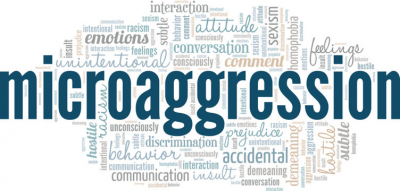
Micro-aggressions are everyday slights, comments, or behaviors that, whether intentional or not, convey bias or disrespect toward a person’s identity. They often target gender, race, ethnicity, sexual orientation, disability, or even workplace hierarchy.
Some common workplace examples include:
- Assuming a young employee lacks experience because of their age.
- Commenting on someone’s accent or communication style in a belittling tone.
- Consistently interrupting or overlooking contributions from women in meetings.
- Asking intrusive questions about cultural or religious practices.
Though seemingly “minor,” research shows that repeated microaggressions at work accumulate harm. Data Spotlight: A Deloitte survey (2019) found that 64% of employees experienced bias-related behaviours at work, most of which were subtle micro-aggressions. Prolonged exposure leads to stress, disengagement, and lower belonging scores.
Why Addressing Micro-aggressions Matters
When left unchecked, microaggressions at work create ripple effects that damage culture and performance:
- Employee well-being: Victims often experience anxiety, alienation, and burnout.
- Team collaboration: Unresolved tension weakens trust and psychological safety..
- Organizational reputation: Inclusive workplaces attract and retain top talent.
- Productivity & innovation: Inclusive teams are 1.7× more likely to be innovation leaders (Deloitte, 2023).
Addressing micro-aggressions isn’t just about individual dignity; it’s about building a culture of respect and belonging where all voices matter.
How to Respond Assertively Yet Constructively
Responding to micro-aggressions can feel uncomfortable, especially if the person involved is a peer, senior, or client.
Here are practical ways to stay assertive, calm, and constructive when addressing them:
1. Pause and Assess
Take a moment before reacting . Consider the intent and impact. Was it an offhand or part of a repeated pattern? Not every situation requires confrontation, but patterns must not be ignored.
Tip: Visualise pressing a “pause button”—breathe, compose yourself, and then respond intentionally.
Not every situation demands confrontation, but recurring patterns should not be ignored.
2. Use “I” Statements
Frame your response around our experience, not the other person’s fault.
- Instead of: “You’re being offensive.”
- Try: “I felt dismissed when my point was overlooked.”
This language reduces defensiveness and centres the conversation on impact rather than blame.
3. Ask Clarifying Questions
Sometimes, people don’t realise the weight of their words. Asking gentle, open-ended questions encourages reflections
- “What did you mean by that comment?”
- “Could you explain what you were trying to say?”
This approach invites dialogue instead of confrontation, allowing the person to self-correct.
4. Educate and Share Perspectives
Offer a constructive alternative viewpoint to promote awareness. For example:
I know you didn’t mean harm, but jokes about accents can make people feel singled out.”
This response sets boundaries while encouraging empathy and learning.
5. Set Boundaries Clearly
If behaviours persist, be firm and direct
For example; “I’d appreciate it if comments about my background weren’t part of our conversations.”
Clear boundaries demonstrate self-respect and model professionalism for others.
6. Seek Allyship
Allies amplify voices.
Reach out to colleagues, mentors, or managers who can support you or help mediate.
Building a network of allies ensures that no one has to confront bias alone.
7. Escalate When Necessary
If micro-aggressions evolve into patterns of exclusion or harassment, raise them through formal channels such as HR, diversity councils, or grievance committees. Many progressive organisations now include micro-aggressions explicitly under workplace conduct or inclusion policies.
Role of Organizations in Addressing Micro-aggressions
While individuals play a part, the primary responsibility lies with organizations to build safe, inclusive systems.
- Training & Awareness: Conduct regular DEI and unconscious bias training that helps employees recognise and mitigate micro-aggressions in real time.
- Inclusive Policies: Update workplace policies to explicitly include micro-aggressions as a form of inappropriate conduct and outline clear procedures for redressal.
- Leadership Modelling: Leaders must walk the talk—using inclusive language, calling out bias, and responding swiftly to complaints. When leaders model inclusion, employees feel psychologically safe to speak up.
- Safe Reporting Channels: Establish confidential and accessible reporting mechanisms so employees can raise concerns without fear of retaliation.
- Data Spotlight: According to SHRM (2022), workplaces with transparent reporting processes are 2.4× more likely to have employees trust leadership and report higher engagement scores.
Creating an Inclusive Workplace
Addressing micro-aggressions is not about silencing people; it’s about encouraging awareness, empathy, and respect. Employees should feel empowered to speak up, and organizations must must reinforce that courage through policies, education, and consistent support.
An inclusive workplace is one where differences are celebrated, not criticized and diversity fuels collaborations, not conflict. By tackling micro-aggressions constructively and consistently, companies take a vital step toward building cultures of belonging and psychological safety.
Final Thoughts
Micro-aggressions may appear small, but their cumulative impact is profound. Responding assertively and constructively ensures dignity without hostility. when organisations proactively address these behaviours, they cultivate healthier, more innovative, and more productive teams.
It takes courage from individuals to call out bias—and commitment from employers to create systems that support them.
Together, both employees and organisations can turn everyday interactions into opportunities for inclusion, empathy, and growth.