IN
IN

 USA
USA
 CA
CA
 IN
IN
The healthcare system is increasingly called upon to support victims of sexual assault, providing not only immediate medical care but also long-term psychological support. However, profound gaps exist in India’s healthcare framework when it comes to treating victims of sexual violence, addressing their psychological needs, and ensuring their dignity and safety.
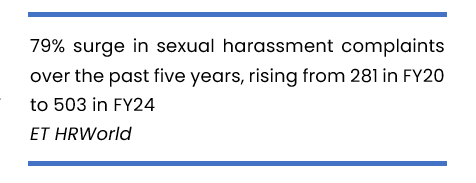
These figures highlight the growing need for systemic reform to ensure that victims receive the comprehensive support they deserve.
Kelp interviewed doctors and medical professionals across India to understand this chasm better.
Through their experiences, several doctors and interns highlighted the short- and long-term impacts of sexual assault and the challenges in providing support services.
1. The Physical and Psychological Impacts of Sexual Assault

Sexual assault leaves deep and lasting scars, both physically and emotionally. 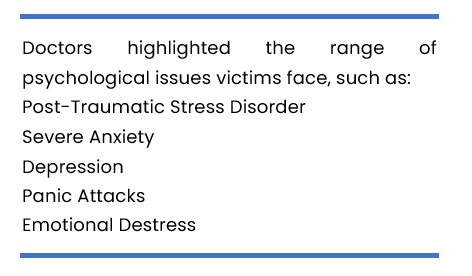
While the physical injuries are often visible and treated immediately, the psychological consequences can persist indefinitely.
In some instances, these symptoms resulted in an aversion to physical touch, creating barriers to intimacy and affecting victims’ relationships and social interactions.
During a discussion with a facial plastic surgeon, they emphasized the critical role of support systems for victims of such incidents. They shared firsthand experience involving a victim of domestic abuse who suffered severe injuries in an acid attack. After seeking immediate medical assistance, she found herself completely alone—unable to eat properly, perform basic daily tasks, or access the resources needed for further help or support. This case highlights how harassment and assault are not merely physical in nature but can result in long-term difficulties and challenges, impacting every aspect of a survivor’s life.
2. Challenges in Supporting Child Victims

In cases involving children, the trauma is especially insidious. Paediatric victims often struggle to articulate their experiences, making it difficult for healthcare providers to identify signs of abuse without careful, trauma-informed questioning. The presence of supportive family members or guardians, particularly female relatives, can significantly help these young victims cope. Yet, despite these challenges, the medical community lacks a universally adopted protocol for handling cases of child sexual assault, creating inconsistencies in the quality of care provided to these vulnerable patients.
3. Lack of Standardized Protocols

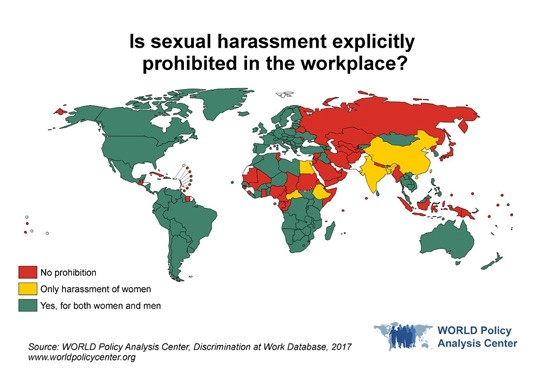
While forensic examination guidelines exist to document physical evidence in sexual assault cases, there remains a significant gap in protocols to address the psychological needs of victims. This is in stark contrast to countries with robust privacy protections.
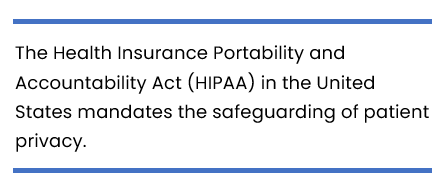
Doctors in India often lack formal training in trauma-informed care, and without clear privacy protections, they risk inadvertently causing further harm to victims.
Instances in healthcare frequently highlight the necessity for privacy and gender-sensitive approaches when treating vulnerable individuals. This was recounted by a doctor, where a young girl, accompanied by her father, displayed signs of severe emotional distress but initially refused to disclose any information. It was only after a female guardian arrived that she opened up, underscoring the importance of privacy and gender-sensitive support during examinations.
4. Support Services for Victims

Doctors emphasized that effective support for victims of sexual assault requires more than medical intervention; it demands a comprehensive approach that includes psychological counselling, ongoing support, and a strict commitment to confidentiality. The psychological toll of sexual assault often manifests in behavioural changes that can endure for years. Long-term support, beyond immediate medical treatment, is essential to help survivors cope with trauma.
Many hospitals in India, particularly government-run facilities, lack dedicated mental health professionals to assist sexual assault survivors. The result is that victims are often retraumatized by insensitive medical procedures or inadequate psychological support. Healthcare providers recommend incorporating trauma-informed care training into the medical curriculum to better equip doctors and staff to handle these cases with the empathy and sensitivity required. Ensuring privacy is another critical aspect of supporting victims.
 When asked about their inputs on ensuring confidentiality, doctors highlighted the importance of a document called “Panchanama“. This document is meticulously prepared to document all relevant details, including information about bruises, vaginal swabs, clothing, blood, nails, hair, and other samples. Further, to emphasise confidentiality, blood samples are labelled with an “X” mark. To ensure the victim feels safe, the examination is conducted in a closed room with a female attendant present. As a precautionary measure, white sheets are placed to capture any evidence that may fall during the procedure, which might have been overlooked initially.
Doctors also play a pivotal role in ensuring a smooth judicial process. Their responsibility extends beyond providing medical care to patients; they contribute to delivering justice for victims and holding offenders accountable.
The judiciary relies on medical reports and findings prepared by doctors to investigate cases and reach conclusions.
Recommendations for a Victim-Centric Approach
- Trauma-Informed Training:
 Medical education should incorporate training on trauma-informed care, equipping doctors to handle cases of sexual assault with greater sensitivity and understanding. Being trauma-informed means understanding how trauma affects people’s behaviour, emotions, and physical well-being, and using this knowledge to avoid re-traumatization and promote healing.
- Raising Public Awareness to Shift Cultural Perceptions:
 There is an urgent need for a cultural shift that promotes empathy and support for survivors of sexual assault. Public awareness campaigns and educational programs can play a role in changing these perceptions, ensuring that victims feel empowered to come forward and receive the support they deserve.
The experiences of these doctors underscore the critical gaps in India’s healthcare system when it comes to handling sexual assault cases and providing comprehensive support for survivors. By implementing standardized protocols, improving security measures, and fostering a more empathetic cultural response to sexual violence, hospitals can become safer, more supportive spaces for all.
Creating a compassionate, trauma-informed healthcare environment is essential to empower victims and move toward a system where dignity, safety, and respect are guaranteed for everyone.