IN
IN

 USA
USA
 CA
CA
 IN
IN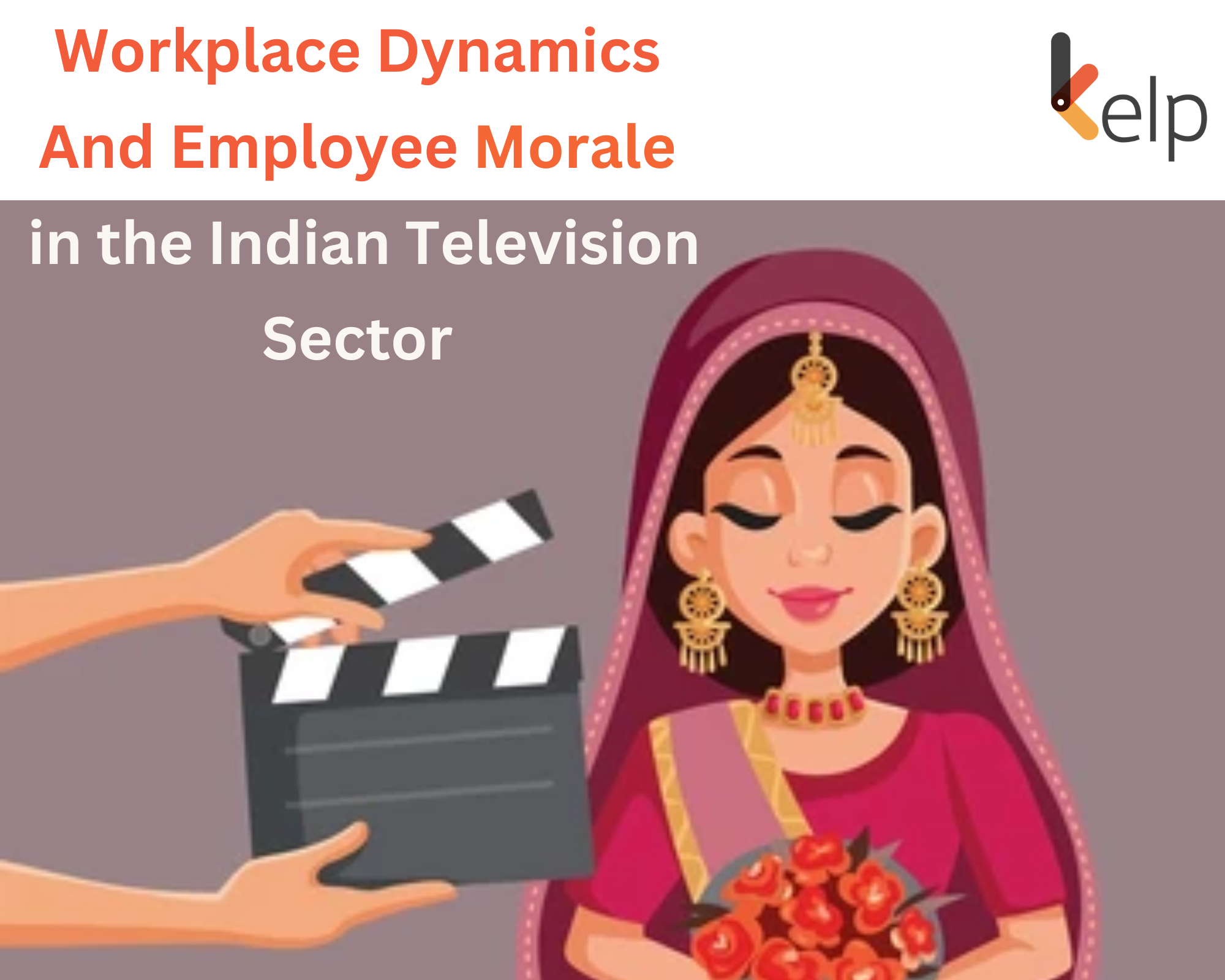
Workplace dynamics and employee morale play a huge role in shaping each sector to where it is today. The Indian television and media industry has been dynamic in itself, and being a non-corporate alternative work industry, a lot of dialogue is created about it as a workplace at large. The recent Jennifer Mistry case brought some dialogue, and such cases time and again provide insights on women speaking up against harassment and biases within the industry. Often there is a conversation around “surviving” the industry, and people quite openly admit the biases that exist within the workforce in the Indian television industry, especially in shows where people are candid about how things are panning out for them.
Biases can be conscious and unconscious in nature. An industry that famously navigates issues ranging from gender pay gaps to casting couches is bias-ridden consciously and unconsciously at times. Women and other genders, queer people, are often objectified, and they do not get the visibility and respect that their cis-heteronormative male counterparts receive.
We at Kelp focus on diversity and inclusion and the creation of safe workplaces in all industries. We see that such biases are often reflections of societal norms that permeate the industry. The “open-minded” culture and lack of structure can often allow for misconduct by people based on their reflections of societal inequities.
Gender bias is quite prominent in the industry, and female artists and female crew often talk about the objectification and the issues they go through. They are often pedestalized but underpaid in this industry. The beauty standards that women need to adhere to and the fact that there is a “shelf life” of actresses make it very difficult for women to survive in the industry in the first place. Women face discrimination in hiring, promotion, and pay. Despite the presence of many talented women in the industry, they are frequently underrepresented in leadership roles and technical positions. Cultural bias and ethnic bias are other forms of bias that are quite clearly reflected in the industry. India is a diverse country with many cultural and ethnic backgrounds. The experience of people from different cultural backgrounds is more often than not one of marginalization or stereotyping. This impacts their career growth and job satisfaction. Age bias is also another common bias in the Indian television industry, where the younger ones are rendered rather inexperienced, and older employees lose out on opportunities for advancement as they are replaced by other artists. The age bias is also very prevalent for women who are camera-facing, and the industry is quite lenient on their male counterparts who are aging comparatively. Appearance bias often takes center stage, and biases based on looks, weight, and attire can significantly impact an employee’s career trajectory and self-esteem.
The Impact
Lack of prevention of sexual harassment or diversity and inclusion understanding can lead to several negative outcomes. The reflection in art, first and foremost, is that often Indian television is ridden with stereotypes and biases reflected in their visual media, which causes huge damage as they influence the masses with what is shown as a reflection of society. The age-old debate of media being a reflection of society versus society being impacted negatively through such TV shows is also important to note. However, it is not all negative. These days, there are OTT platforms that are allowing for shows that are tackling the biases and are being inclusive of the changing moral understanding of people. That being said, if we look at the impact of a bias-ridden workplace for artists, technicians, and crew members, we can see that there is reduced collaboration and team cohesion, impaired communication, low employee morale, mental health issues, and reduced job satisfaction for people working in the industry. The industry is often rendered as toxic by people who come from marginalized communities.
At Kelp, we have worked with many companies in the television and related industries such as advertising and other fields. What we have noticed is that however seemingly an open-minded culture runs in these systems, the open-mindedness is often imposed rather than accepted, and it runs the risk of being quite tokenistic at times. For example, women who work in these industries are expected to be the “cool girls” or cater to the male gaze of what an open-minded woman is. The nuance of boundaries, consent, and personal space gets overridden by the party-going ease with which they operate within the workplaces. Because television and related industries are not as “office-bound” as other corporate counterparts, the culture can be very toxic as respectfulness goes out of the window in the name of being “chill and easygoing.”
All that being said, with the #MeToo movement and various other initiatives taken by women and other marginalized identity people, the dialogue is definitely changing. People are reclaiming the space as things are not so undercover in the internet era. People have started talking about the issues, and industries have started addressing issues like equal pay out in the open. We have come a long way from where the Indian television industry stood 10 years ago. That being said, there still is a long way to go. Only a few companies working with related industries are taking initiatives toward workplace safety, and since this sector is largely unorganized, the boards and authorities providing certifications and regulatory bodies must focus on bringing in diversity, equity, and inclusion and creating safe spaces for people to thrive in. Maybe we will get to see much better content if the industry also reflects a certain psychological safety for individuals working in these spaces.