IN
IN

 USA
USA
 CA
CA
 IN
IN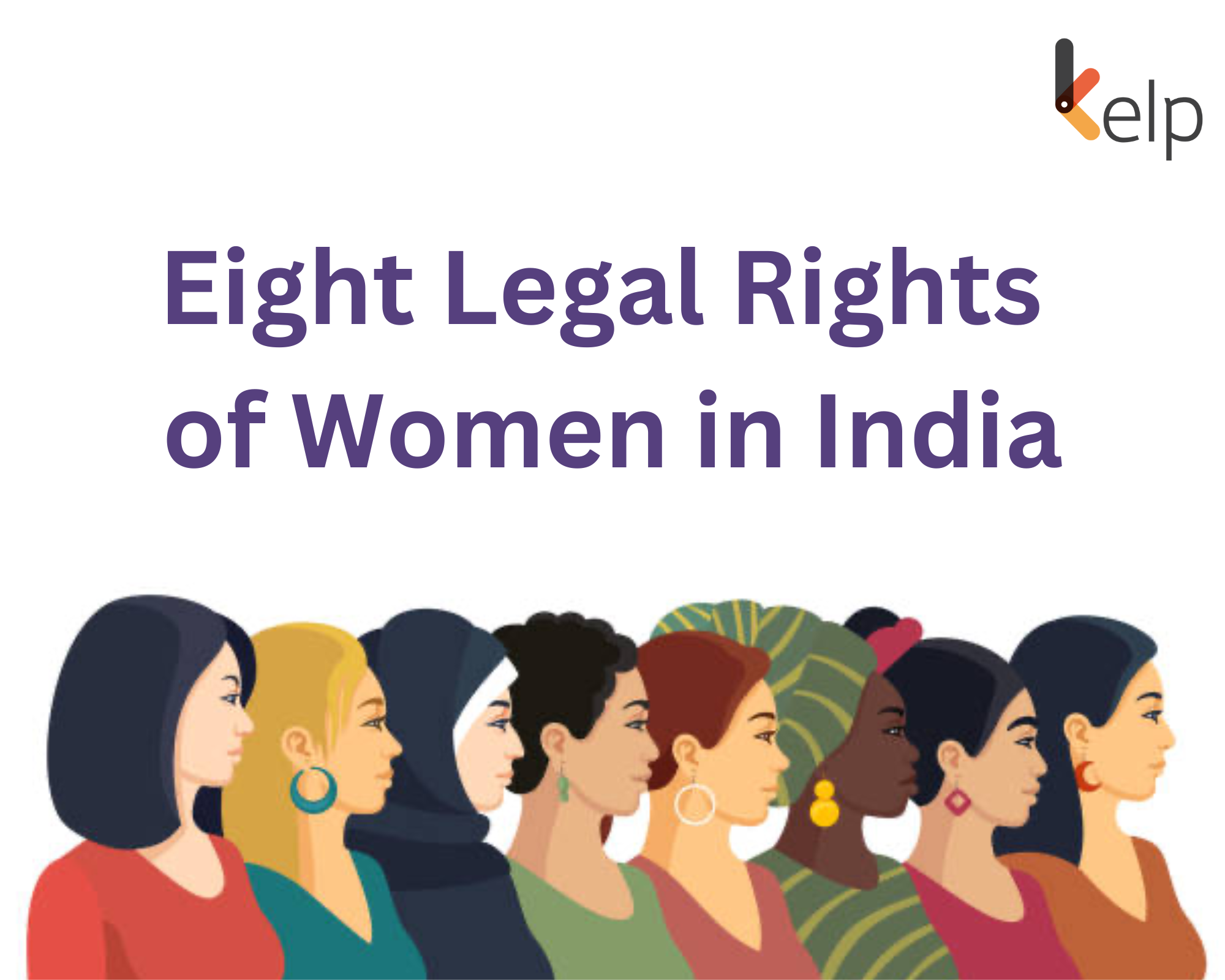
In the realm of societal progress, the fight for women’s rights stands as a cornerstone of equality and justice. From suffragettes rallying for the right to vote to modern-day activists advocating for workplace fairness, women have persistently pushed boundaries. They have challenged the norms to secure their rightful place in society. Central to this struggle are laws designed to protect and empower women, particularly in the workplace.
Understanding these laws is crucial as they guarantee equality and fairness, essential elements for sustainable development. The Indian government has put in place laws to safeguard women’s rights. It is imperative for women to be aware of these rights and to exercise them diligently. This responsibility falls upon each individual to know and assert their rights effectively.
Here are 8 Legal Rights that Indian Women Should Know About
1. The Dowry Prohibition Act 1961
The Dowry Prohibition Act, passed by the Indian government in 1961, aims to eradicate the practice of giving or receiving dowry during marriages. It imposes penalties on those involved in demanding or accepting dowry, considering it a serious offense. Understanding this law is crucial as it helps prevent the mistreatment of women and promotes fairness in marital relationships.
2. Sexual Harassment of Women at Workplaces
The Sexual Harassment of Women at Workplaces (Prevention, Prohibition & Redressal) Act, 2013 commonly known as the Prevention of Sexual Harassment (PoSH) Act, 2013 mandates employers to create harassment-free workplaces. By recognizing and reporting harassment, employees can contribute to a more respectful work environment. The Act aims to address complaints of sexual harassment and ensure the safety of employees.
3. Right to Equal Pay
The Right to Equal Pay ensures that women receive the same pay as men for the same work. Supported by various labor laws and international agreements, this principle helps women demand fair pay, reducing gender wage gaps and fostering fairness at work.
4. Maternity Leave Legislation
The Maternity Benefit Act of 1961 guarantees paid leave for women during pregnancy and childbirth. This law acknowledges the importance of supporting women during this critical time and helps them balance work and family responsibilities. Employees are entitled to their full salary during maternity leave, as per the provisions of the Act.
5. Right against Domestic Violence
The Protection of Women from Domestic Violence Act (2005) safeguards women from abuse within their homes. Understanding this law empowers women to seek legal protection and support if they experience domestic violence.
6. Right to Free Legal Aid
This right ensures that women, especially those with limited resources, can access legal assistance when needed. Understanding this right helps women seek justice without worrying about financial barriers.
7. Prohibition of Night Work
Section 66 (1) (b) of the Factories Act, 1948, restricts the employment of women in certain occupations during night shifts. This provision aims to protect the safety and well-being of female workers, acknowledging the potential risks associated with nighttime work.
8. Safety / Health Measures
Section 22 (2) of the Factories Act, 1948, mandates safety and health measures for workers in factories. Employers are required to ensure adequate precautions for the health and safety of workers, including provisions for proper ventilation, cleanliness, and sanitation facilities. Understanding this law is crucial for promoting a safe and healthy working environment for all employees.
Why do Women Need to Know their Rights?
1. Empowering women in the workplace
Understanding these rights is essential for women to navigate various aspects of their lives with confidence and agency. In the context of the workplace, knowing their rights empowers women to assert themselves and demand fair treatment.
2. Advocating for equal pay
Awareness of laws such as the Right to Equal Pay ensures that women can advocate for themselves in salary negotiations. This knowledge plays a crucial role in reducing the gender wage gap and promoting economic equality.
3. Balancing work and family
Familiarity with maternity leave legislation enables women to make informed decisions about their careers and family planning. By understanding their rights in this area, women can navigate their professional and personal lives without fear of jeopardizing their job security or financial stability.
4. Combatting harassment and violence
Moreover, knowledge of laws against sexual harassment and domestic violence equips women with the tools to recognize and address instances of abuse or discrimination. This understanding is essential for ensuring the safety and well-being of women in both professional and personal spheres.
5. Overall Empowerment
Overall, being aware of their rights empowers women to navigate professional and personal spheres with confidence, resilience, and a sense of dignity. By arming themselves with knowledge, women can assert their rights and contribute to creating a more equitable and inclusive society.
How to Exercise these Rights in the Right Way?
1. Education
To effectively exercise their rights, women must first educate themselves about the laws and regulations that protect them. This involves familiarizing oneself with relevant legislation through research, attending workshops, or seeking guidance from legal professionals or advocacy organizations. By understanding their rights, women can confidently navigate various situations and advocate for themselves when necessary.
2. Assertion
Once aware of their rights, women should assert themselves confidently in the face of any violations or injustices they encounter. This may involve speaking up against discrimination, harassment, or unequal treatment in the workplace. By standing up for themselves and others, women can help create a culture of accountability and respect.
3. Seeking support
Exercising one’s rights may also require seeking support from others. This could involve reaching out to colleagues, friends, or allies for advice or assistance. Additionally, women should not hesitate to seek legal recourse when necessary, such as filing a complaint with HR or pursuing legal action against perpetrators of discrimination or harassment.
The Role of Companies in Ensuring Women’s Rights
Companies play a crucial role in creating an environment where women feel empowered to exercise their rights. Conducting regular workshops and training sessions on workplace rights and inclusion can help raise awareness and foster a culture of respect and equality. By providing employees with the knowledge and tools to navigate workplace challenges, organizations can empower women to assert themselves confidently.
Organizations should prioritize building a workspace where women’s rights are actively upheld and protected. This entails implementing robust policies and procedures to prevent discrimination, harassment, and other forms of misconduct. By fostering a supportive and inclusive workplace culture, companies can create an environment where women feel safe, valued, and empowered to thrive professionally.
At Kelp, we firmly believe that cultivating safe, happy and inclusive work environments serves as the foundation for business transformation and expansion and the quest to get equality and fairness for women in domestic as well as work enviroments is important for achieving them.
About Kelp
Kelp was incorporated in 2013 to provide the posh, dei solutions to organizations to improve workplace culture across the board. Over the last 11 years, we have serviced more than 1000 clients in India and a few overseas, across various industries in the areas of PoSH (prevention of sexual harassment at workplace), D, E & I (Diversity, Equity & Inclusion) and Mental wellness. But the common objective of all these services is to build safer, happier, inclusive and productive workplaces.
For our services related to Prevention of Sexual Harassment (PoSH), Diversity, Equity and Inclusion (D,E &I) and Mental Wellness, do get in touch with us at info@kelphr.com, call +91-95001-29652 and we can advise you on customized offerings suited to your organization.