IN
IN

 USA
USA
 CA
CA
 IN
IN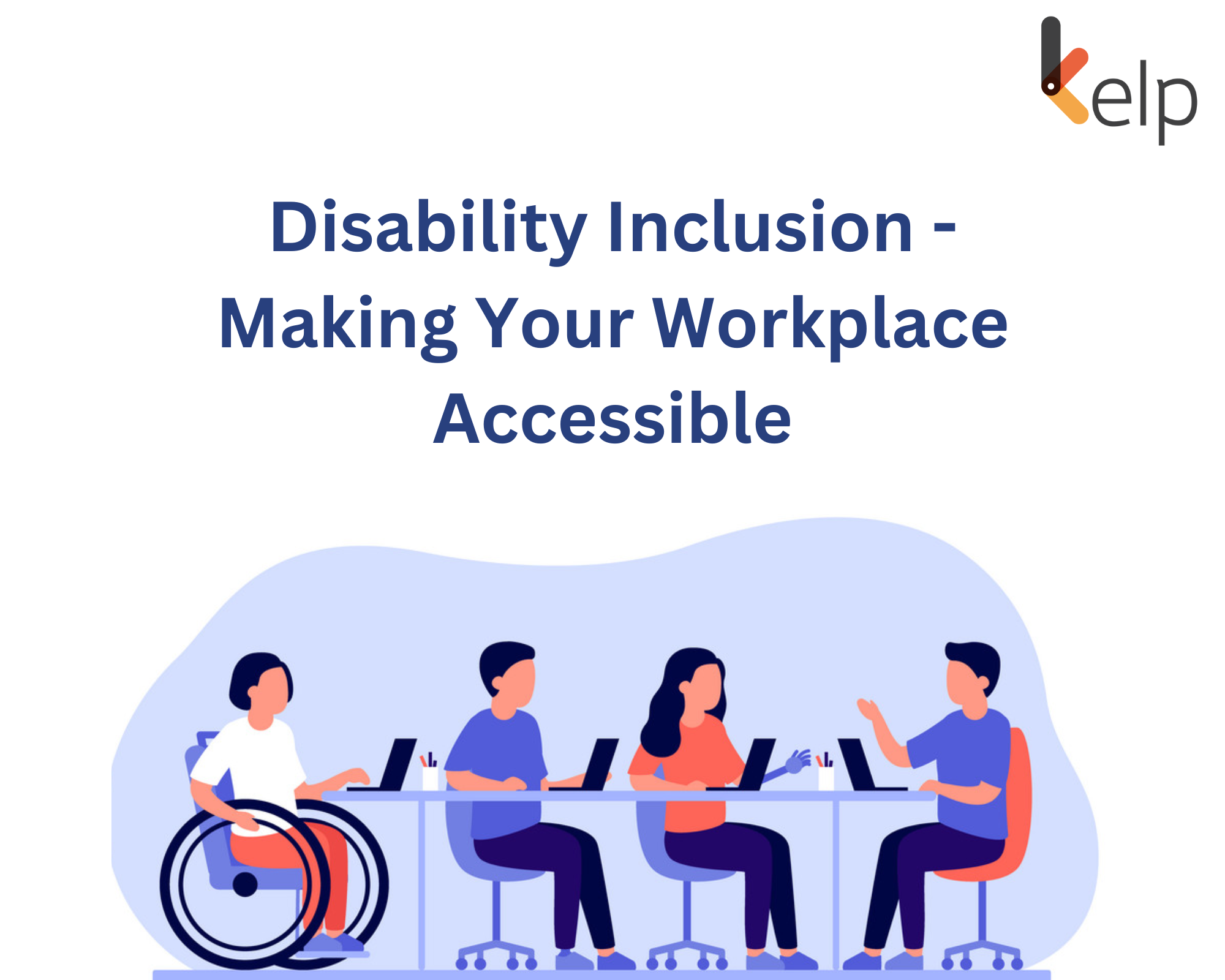
Have you ever been in a situation where you had to reach the 2nd floor of a building but lacked a staircase to do so? Have you ever experienced being asked to use a toilet seat above your height that you can’t even sit? Have you been asked to understand a series of instructions in a language you don’t know?
Such struggles are experienced by disabled individuals in inaccessible places. With no ramp or elevator, they are expected to ‘adjust.’ With a toilet that’s not disability friendly, they are again expected to ‘adjust.’ A person who cannot hear or speak is again expected to adjust without the provision of sign language interpreters.
Disabled individuals often encounter the scenarios mentioned above at many workplaces. Their basic needs are invisible to the people who decide the organization’s infrastructure. Without meeting these needs, organizations sometimes put the onus of adjustment on disabled individuals, by which they exclude them, and disabled individuals are left feeling that disability is their fault.
Disability Inclusion: A Basic Right
Despite one in six individuals being disabled worldwide, persons with disabilities are often excluded from the policies and agendas around human rights. There are laws and provisions in India for disabled individuals under the “Rights of Persons with Disability Act” of 2016, but it is essential to question whether its implementation is effective.
A 2018 study by the Disability Rights India Foundation indicates that 79% of state governments in India had not allocated state funds under the act’s provisions, hence not enforced in many organizations. Also, DRIF has expressed concern over eliminating disability-related questions in the National Health Family Survey, July 2023. Additionally, owing to the ignorance of authorities, persons with disabilities are often viewed as someone who need to be ‘fixed’ and, in the process, get excluded from many professions. Yet, the trend is shifting slowly towards a rights-based approach, and disability rights activist Dr. Malvika Iyer states that to be inclusive, the first step is acceptance and the need to educate people at workplaces about the unique needs of people with disabilities.
Making Workplaces Accessible
In recent times, many workplaces in India are open to being disability friendly because the chances of organizations that embrace diversity and inclusion being successful and innovative in the industry are much higher. The Disability Act 2016 mandates that even the private sector must follow an ‘Equal Opportunity Policy’ and prevent workplace harassment at all costs. Under the ‘Equal Opportunity Policy,’ organizations have to follow a range of guidelines that include providing infrastructural accommodations like ramps, disability-inclusive toilets, provision for assisted devices, flexibilities like remote work options, and providing inclusive job descriptions and interview processes while hiring.
Additionally, if you want your workplace to be inclusive, you should be on par with the trends by enabling technology support like closed captioning for videos, speech recognition software, and Grammarly editing software for employees belonging to diverse groups. You should also conduct video conferencing meetings to help remote workers participate with interest and intent in all the official proceedings.
Besides technological support, employees also require a non-judgemental environment to work without fear or bias. To create a bias-free environment, sensitize your organization’s employees about not discriminating against disabled employees by creating workshops and training around the unique requirements of disabled individuals to create acceptance among the rest.
By being inclusive and flexible, your organization will also be rewarded with employee loyalty, for the workforce today prioritizes employers who care and align with their value system and do not shy away from leaving restrictive and rigid workplaces. According to the book, “Employees First, Customers Second,” organizations who care about their employees will function much better than their counterparts who don’t.
As an organization, you may not be aware of the challenges, requirements, and preferences of every employee who is disabled. Also, some employees may have invisible disabilities and require specific support to work comfortably in your organization. To know every employee’s particular needs, it’s crucial to conduct an accessibility assessment survey at your organization. Many inclusive organizations also encourage the creation of employee support groups called ESGs to provide additional support to diverse employees. Creating ESGs will give your disabled employees a safe space to express themselves.
Making a workplace inclusive for disabled employees is a prerequisite and not an added advantage offered by your organization. It’s important to remember that disability is also a type of ability that, if nurtured, will become an indispensable strength for your organization, enabling it to thrive and not just survive.
At Kelp we believe that having a diverse, equitable and inclusive workplace is the key to business transformation and growth and that we must be inclusive of all persons irrespective of any differences. To know more about Kelp’s Diversity, Equity & Inclusion solutions and how we can help you make your workplace more inclusive do call us at +91-95001-29652, email info@kelphr.com, visit www.kelphr.com
About Kelp
Kelp was incorporated in 2013 to provide the best HR solutions to organizations, and to improve workplace culture across the board. Over the last 11 years, we have serviced more than 1000 clients in India and a few overseas, across various industries in the areas of PoSH (prevention of sexual harassment at workplace), D, E & I (Diversity, Equity & Inclusion) and Mental Wellness Programs. But the common objective of all of these services is to build safer, happier, inclusive and productive workplaces.
For any of our other services related to Prevention of Sexual Harassment (PoSH) or Mental Wellness Programs do get in touch with us at info@kelphr.com, call +91-95001-29652 and we’d be able to help you with customized offerings suited to your organization.