IN
IN

 USA
USA
 CA
CA
 IN
IN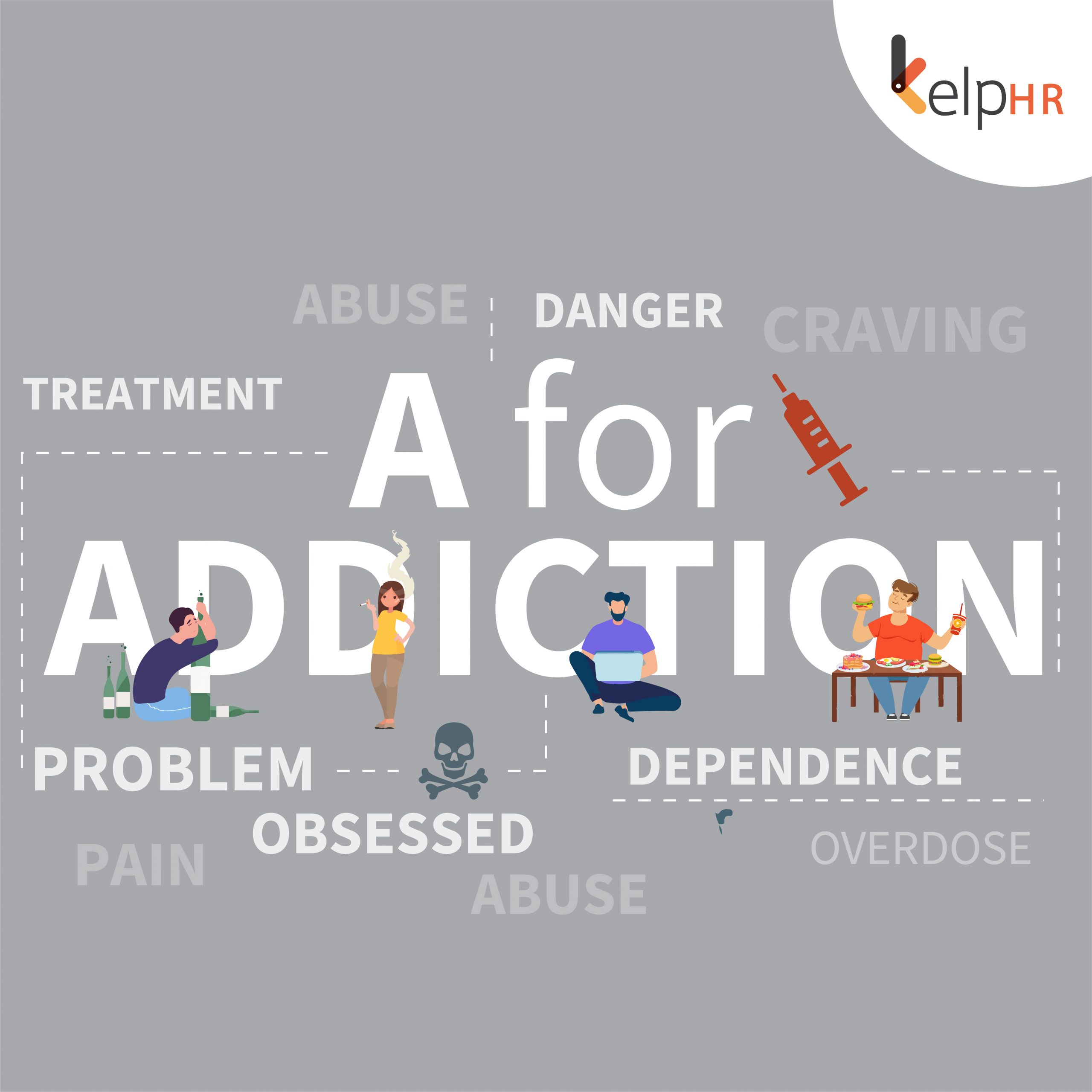
“Addiction doesn’t kill the Addict – It kills the family, kids and people who tried to help.”
Addiction can be associated with a range of behaviors that a person refuses to stop even though it causes psychological or emotional harm. For example, addiction towards technology, internet, gambling, painkillers, lying, stealing, porn consumption, indulging in negative or harmful relationships, or exerting control over others.
Do you identify or associate yourself with the following behaviors?
- You feel like quitting your addictive behaviors, but find it difficult or next to impossible, even though it is affecting your physical and emotional health.
- You often tell yourself, the addiction is a form of reward, and you have the power to control your intake habits.
- You know your threshold level towards it is increasing and you are consuming it more than you have planned or more than you should.
- You often experience discomfort, anxiety and stress in its absence.
- You are constantly thinking about it or planning your activities to accommodate it.
- You tend to display irritation and extreme negative behaviors if you are denied it.
- You often say, “this is the last time, I will stop from next week or I will only do it till this phase ends”, but you fail to keep up.
- Hurt themselves or their loved ones.
- Display lack of self-control.
- Dismiss behaviors causing problems.
- Damage friendships / workplace relationships.
- Suffer job loss.
- Become dependent for financial stability.
- Lose interest in doing things they otherwise used to enjoy.
- Negative emotions (stress, anger, guilt, frustration, fear of failure, Financial or legal issues, Family issues)
- Exposure and availability of substances
- Peer pressure
- Self-pity or over confidence
- Grief
- Harmful company
- Poor performance at work.
- A noticeable lack of energy in daily activities.
- Lying or keeping indulging habit as a secret.
- Profound changes in appearance, including weight loss and a noticeable abandonment of hygiene.
- Refusal to seek help – most people displaying addictive behaviors become defensive when approached about the topic.
- Using more than one chemist, using false/ old prescriptions which are no longer valid
- Depression and or anxiety, difficulties in sleeping, Mood swings, Irritability, defensiveness, temper flare-ups especially towards those who bring up de-addiction.
- Memory issues.
- A person who doesn’t seem like their normal self (Shows over enthusiasm or is overly energetic).
- Financially unpredictable or dependent on others.
- Unexplained outings.
- Spending a lot of time on planning and engaging in addictive behaviors.
- Do not run away from your goals – know yourself and your emotions. An important tool some people use is the acronym HALT (Hunger, Anger, Loneliness and Tiredness), which serves as a warning system when you lose balance. If you sense any of these conditions, reach out for help immediately.
- Ensure that you eat nutritious food, exercise and get enough rest – this will help you feel at your best.
- Try to find a hobby or learn something new, by doing so, it will help you get distracted from the cravings, keep you busy and engaged.
- Try replacing your old habits with healthy ones.
- Start practicing self-care and self-love.